 Contact
 Download
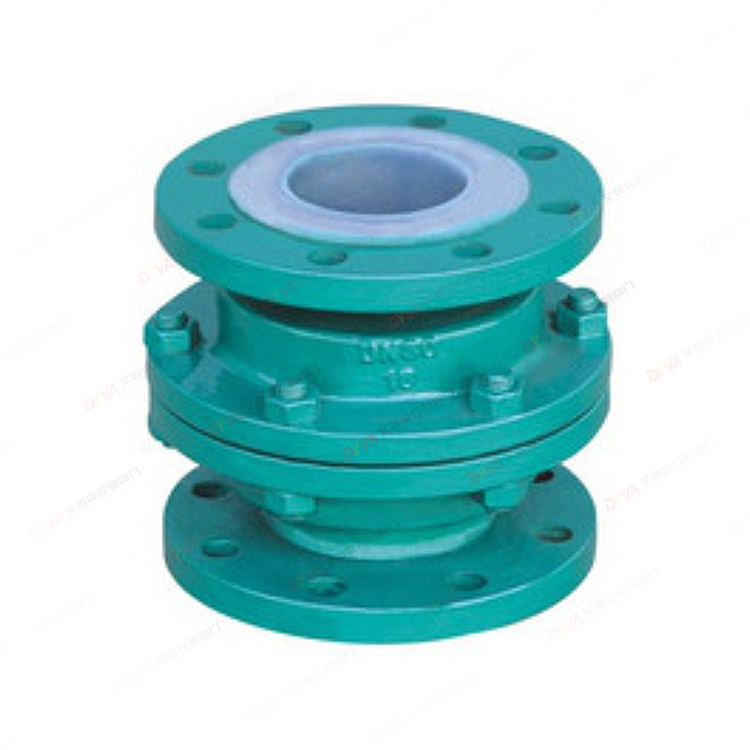
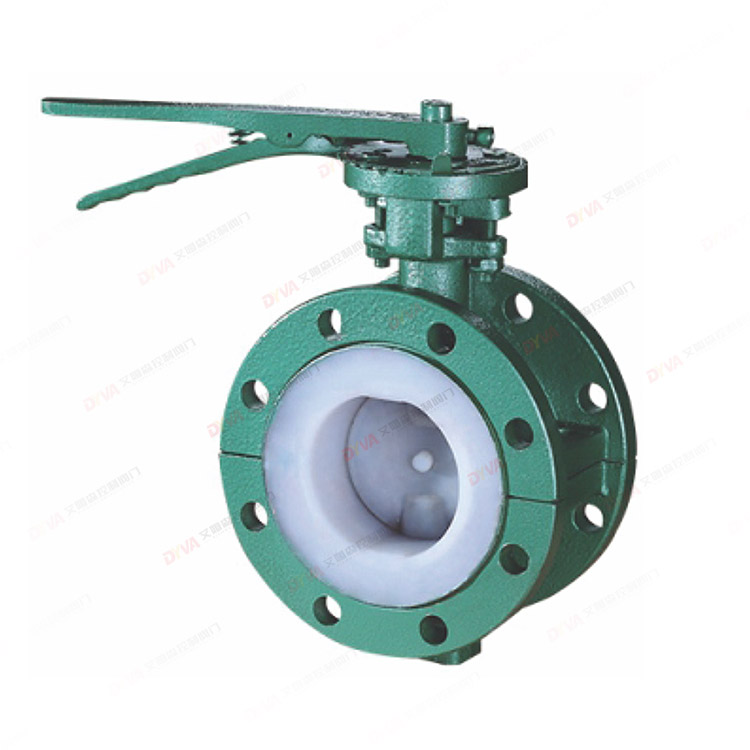
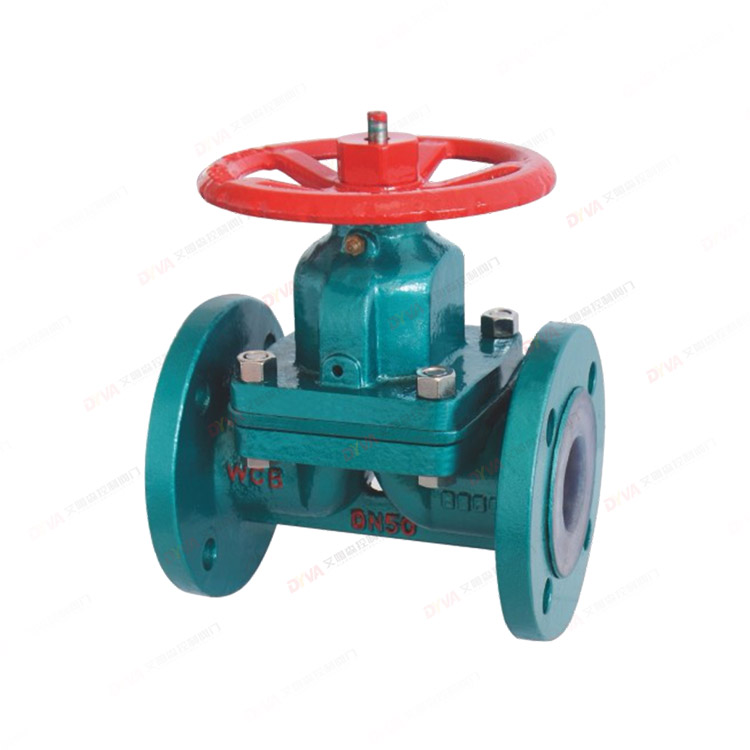
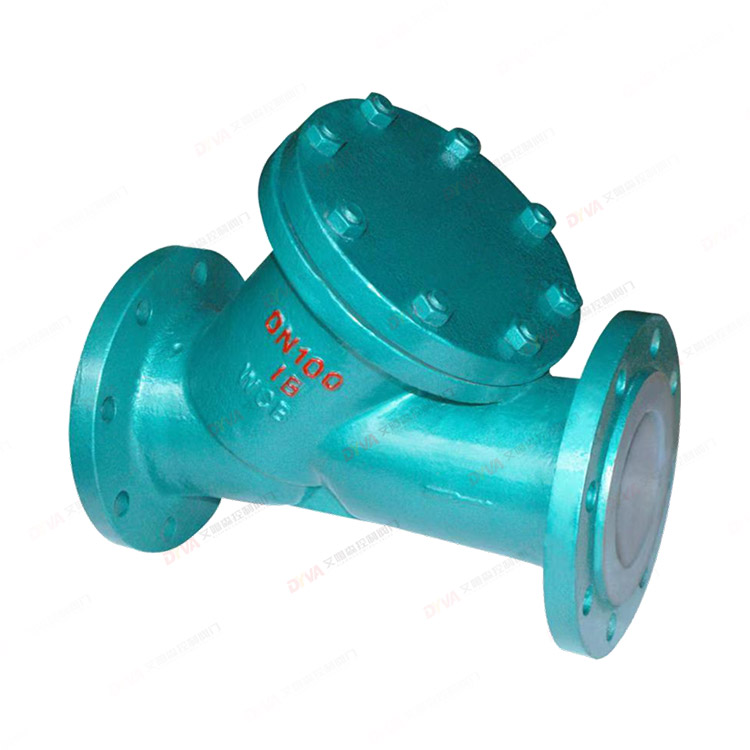
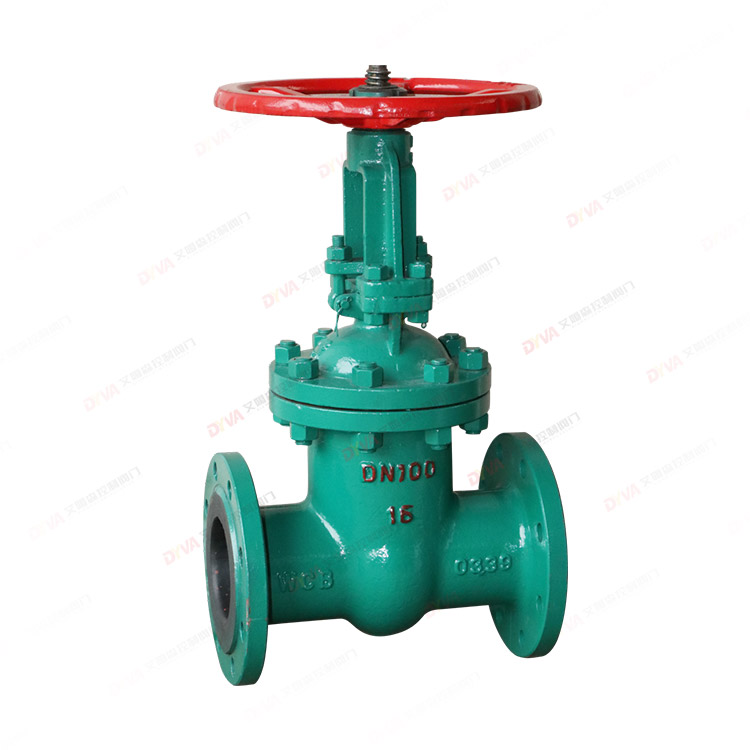
Check valve series
[Overview]
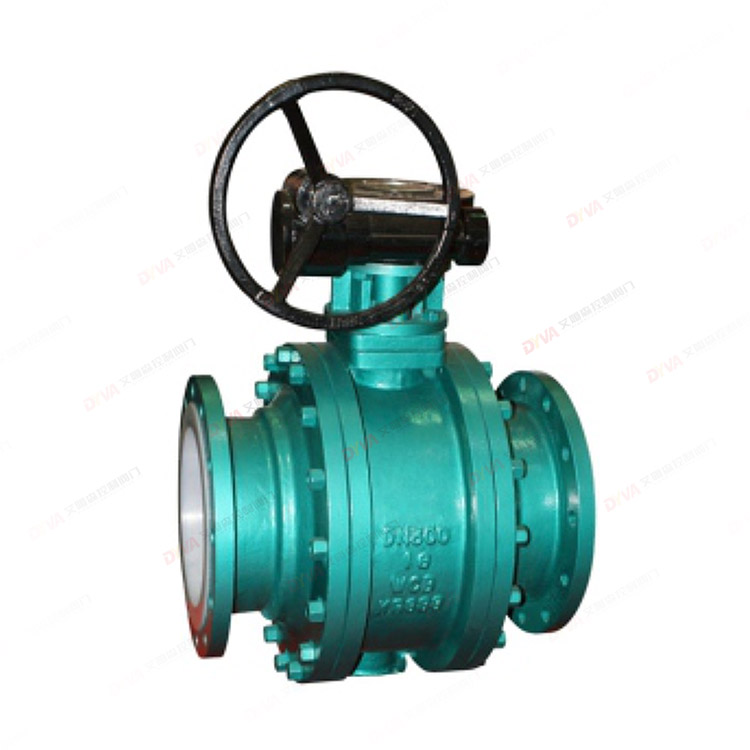
Fluorine check valve is a kind of check valve lined with polytetrafluoroethylene (PTFE, commonly known as "fluoroplastic") or its derivative materials (such as FEP, PFA) inside the valve body (including key parts such as valve cavity, valve seat, valve core sealing surface, etc.). The core function is to use the medium's own pressure to automatically prevent fluid backflow, with It realizes corrosion resistance to strong corrosive media through fluoroplastic lining, which is widely used in chemical industry, pharmaceutical, metallurgy and other strong corrosion conditions.
Nominal pressure: PN0.6~PN2.5MPa
Nominal diameter: DN15~DN400
Applicable temperature: -196℃~260℃ (PTFE), -80℃~200℃ (FEP)
Applicable media: strong acid (hydrochloric acid, sulfuric acid, nitric acid), strong alkali (sodium hydroxide, potassium hydroxide), strong oxidizing agent (peroxide, sodium hypochlorite), organic solvent (methanol, ethanol, acetone)
Core advantages (strong corrosion resistance as the core)
1. Extreme corrosion resistance: The fluoroplastic lining is resistant to almost all common corrosive media, which solves the problem that ordinary metal check valves (such as stainless steel and cast iron) are easily corroded and have a short life in strong acid and strong alkali, and the service life can reach 3 to 5 times that of ordinary valves;
2. Reliable sealing: The fluoroplastic sealing surface has good elasticity and self-lubricating properties, which not only has a low sealing leakage rate, but also reduces the wear of the valve core and seat (especially suitable for media containing trace impurities);
3. Wide scope of application: temperature resistance covers extreme cold (-196℃) to medium and high temperature (260℃), which can be adapted to a variety of working conditions from low-temperature liquid corrosive media (such as liquid chlorine) to medium-temperature corrosive gases (such as sulfuric acid steam at 150℃);
4. Low maintenance cost: the fluoroplastic lining is wear-resistant and aging-resistant, and there is no need to replace the seal frequently under normal use; and the lining surface is smooth, the medium flow resistance is small, and it is not easy to scale (reduce the number of cleaning and maintenance).
Products and services that meet fluid control requirements
Each process, each facility, and each environmental constraint has its own special requirements. Therefore, AIAMMS offers a comprehensive range of products covering different performance levels, pressures, different functions and different materials.



 Download