Location: Home  >  Products  >  Globe valve series  >  Balance valve

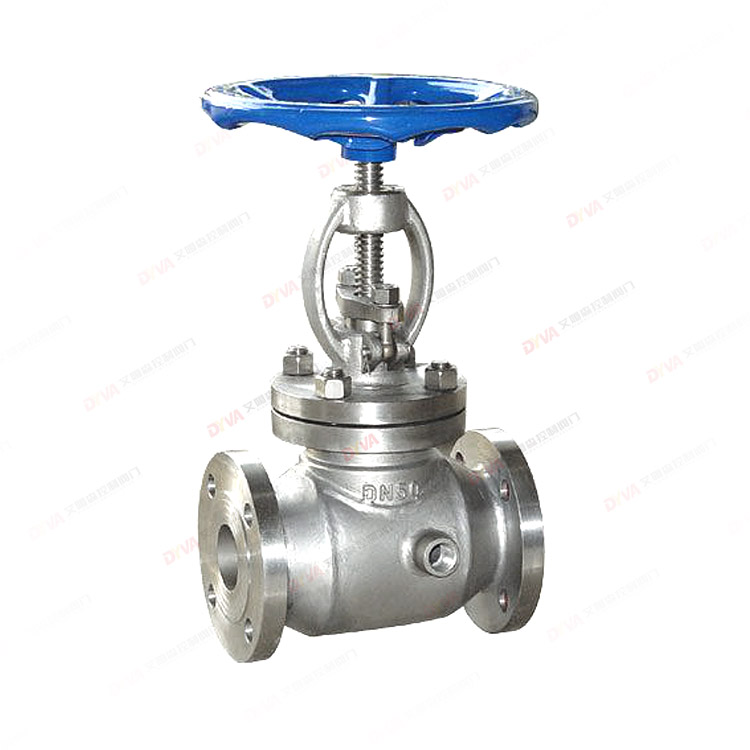
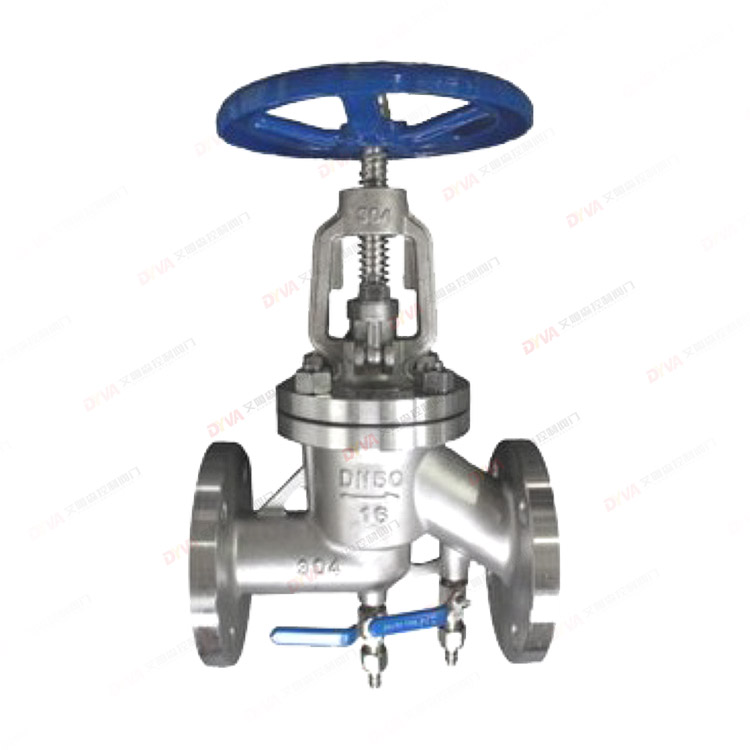
Balance valve

Overview: 

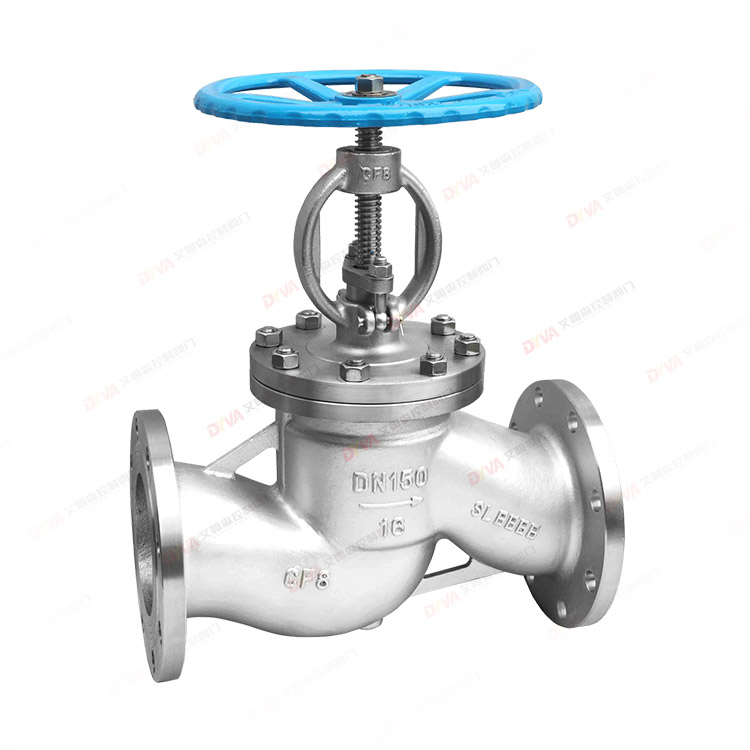
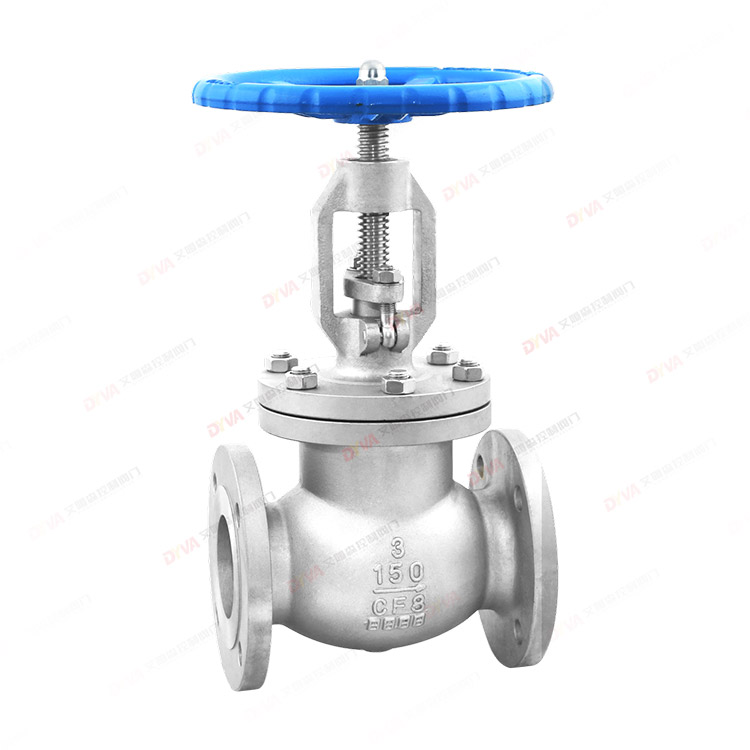
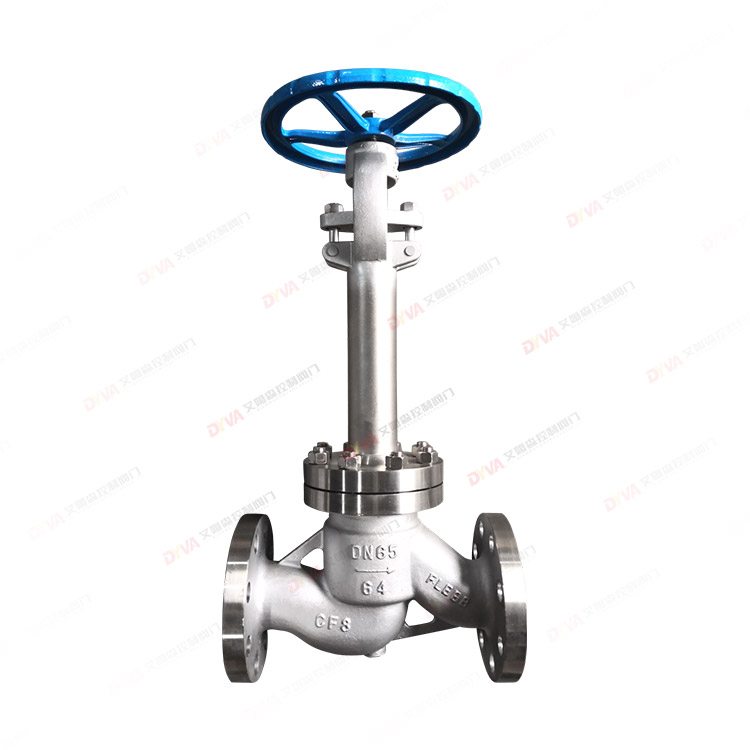
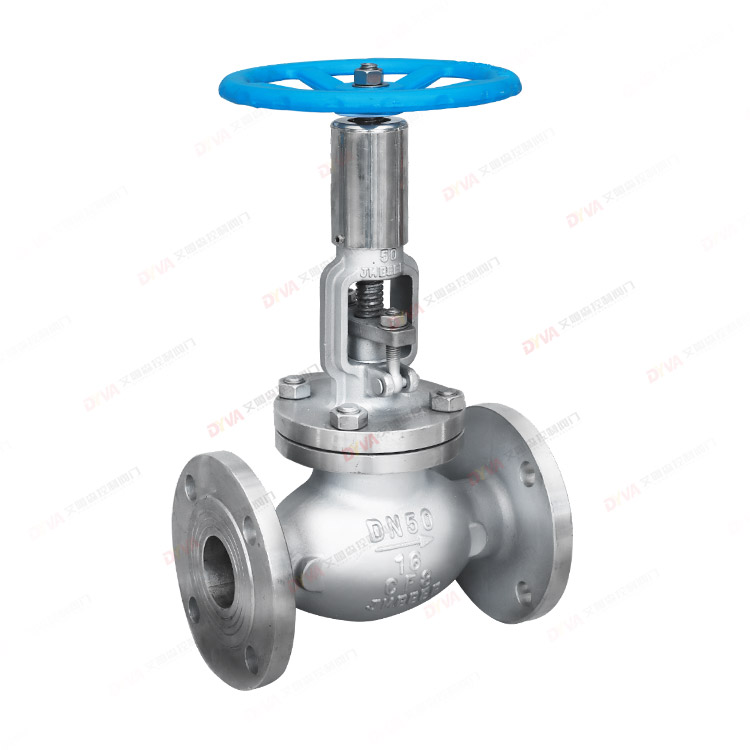
 The balance valve is a special control valve used to regulate the flow of the pipeline system and balance the pressure of the pipeline network. The core function is to accurately control the valve opening, allocate the flow of each branch or terminal equipment, and eliminate the problem of "hydraulic imbalance" of the pipeline network (such as excessive flow in some areas and insufficient flow in some areas) to ensure that the whole The system operates efficiently and stably under the design conditions. It is widely used in HVAC, water supply and drainage, industrial circulating water and other pipeline systems that require flow distribution and pressure balance, especially suitable for complex pipeline networks with multiple branches and multiple terminals. 

 Core product features 

 1. Precise flow control: Through special valve core structure and pressure measurement auxiliary components, the flow regulation accuracy can reach ±5% (much higher than ordinary shut-off valves and gate valves), which can accurately match the design flow rate and completely solve the problem of hydraulic distortion of the pipe network. 

 2. Pressure balance ability: By adjusting the valve flow resistance, we can balance the pressure difference of each branch, ensure that the far branch obtains sufficient pressure and flow, avoid waste of near-end branch flow, and improve the operating efficiency of the whole system (for example, the air conditioning system can save 10%-20% energy). 

 3. Convenient and stable operation: the manual model has a flow scale and pressure measurement interface, and the flow can be roughly judged without professional equipment when adjusting; the electric model supports automatic control and can be linked with the building automatic control system (BAS) to realize real-time monitoring and dynamic adjustment; the locking device ensures long-term stability of the state after adjustment, No need for frequent maintenance. 

 4. Wide range of adaptation scenarios: different models can be selected according to the system pressure (PN1.0~PN4.0MPa), medium temperature (-20℃~150℃), pipe diameter (DN15~DN600), and adapt to a variety of pipeline networks such as HVAC, water supply and drainage, industrial circulating water, etc. The medium can cover water, ethylene glycol Solution, weakly corrosive liquid, etc. 

 5. Significant energy-saving effect: by balancing the flow rate, avoid the overconsumption of the pump and the overload of the terminal equipment caused by excess flow (such as the increase in noise of the air conditioner fan coil due to excessive flow), and at the same time reduce the hydraulic impact of the pipe network (such as water hammer) and extend the service life of the equipment.


Products and services that meet fluid control requirements

Each process, each facility, and each environmental constraint has its own special requirements. Therefore, Dongyan offers a comprehensive range of products covering different performance levels, pressures, different functions and different materials.

Detail

Precautions for use and maintenance 

 1. Installation specifications: 

 It needs to be installed in a position that is easy to operate and detect (such as the side or front of the pipeline, leaving enough adjustment space), and the pressure measuring interface should be facing the direction that facilitates the connection of the pressure gauge. 

 The static balance valve should be installed at the "end of the dry pipe" or "the entrance of the branch road", and the dynamic balance valve should be installed in front of the "end equipment entrance" (such as before the air conditioning fan coil) to ensure that the end flow can be accurately controlled. 

 Before installation, it is necessary to clean up the impurities in the pipeline (such as welding slag and rust) to avoid impurity jamping the valve core, which affects the adjustment accuracy; the valve flow direction needs to be consistent with the flow direction of the medium (the valve body is marked with the direction of the arrow) and cannot be installed in reverse. 

 2. Adjustment operation: 

 When the static balance valve is adjusted, it is necessary to close all branch valves first, and then adjust one by one from the far branch (adjust the far end first, then adjust the near end) to avoid the excessive flow of the near-end branch to affect the remote adjustment. 

 The dynamic balance valve does not need to be adjusted frequently, but if the flow is found to be abnormal, it is necessary to check whether the pressure measurement interface is blocked and whether the valve core is stuck. The valve core cannot be removed at will (requires professional operation). 

 The electric balance valve needs to regularly calibrate the signal (such as the correspondence between the 4-20mA signal and the flow) to ensure that the remote control is consistent with the actual flow. 

 3. Regular maintenance: 

 Check the appearance of the valve every six months (such as whether the valve body is rusted and whether the interface is leaking). The manual valve needs to turn the handwheel lubricating valve stem to avoid jamming; the electric valve needs to check whether the motor and terminal are normal and remove dust. 

 Every year, the flow rate of each branch is detected through the pressure measurement interface to confirm whether it deviates from the design value. If there is a deviation, it needs to be re-adjusted and locked. After long-term suspension, it is necessary to check whether the valve core is stuck due to medium solidification before opening the valve (such as winter heating system, the pipeline needs to be preheated first). 

 4. Taboos: 

 It is strictly forbidden to use the balance valve as a "cut-off valve" for long-term closure (the sealing performance of the balance valve is lower than that of the special truncation valve, and long-term closure can easily lead to leakage). 

 The dynamic balance valve cannot be used in the pipe network (such as sewage pipe network) containing solid particles in the medium. The particles are easy to block the valve core or wear the sealing surface, resulting in adjustment failure.


Product Application Scope

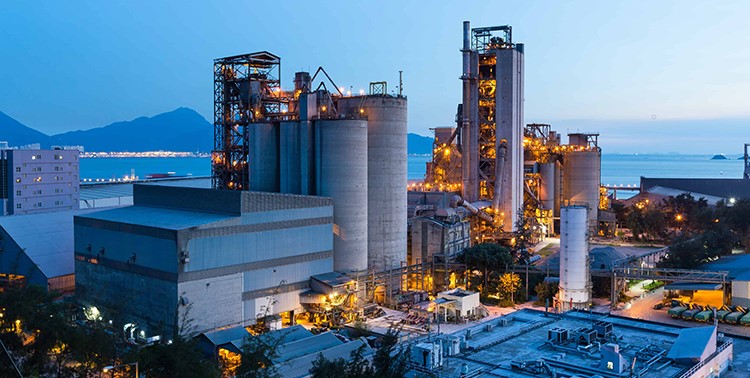
These devices are suitable for accurately controlling media such as gases, liquids, steam, etc., and maintaining process parameters such as pressure, flow rate, temperature, and liquid level at given values. Especially suitable for work environments where the allowable pressure difference is small and the allowable leakage is also small, and the pressure difference is not significant.

Related Products
Home
Products
Contact