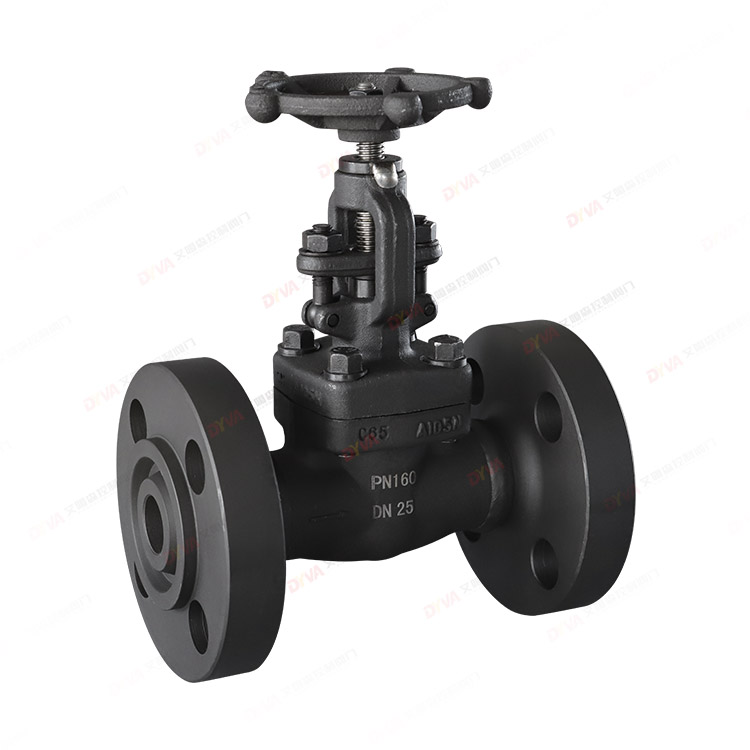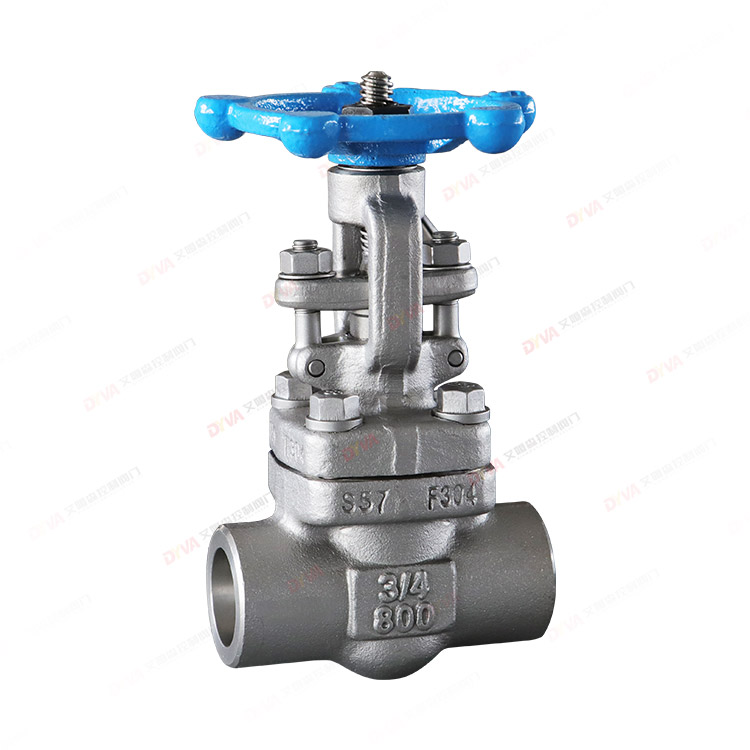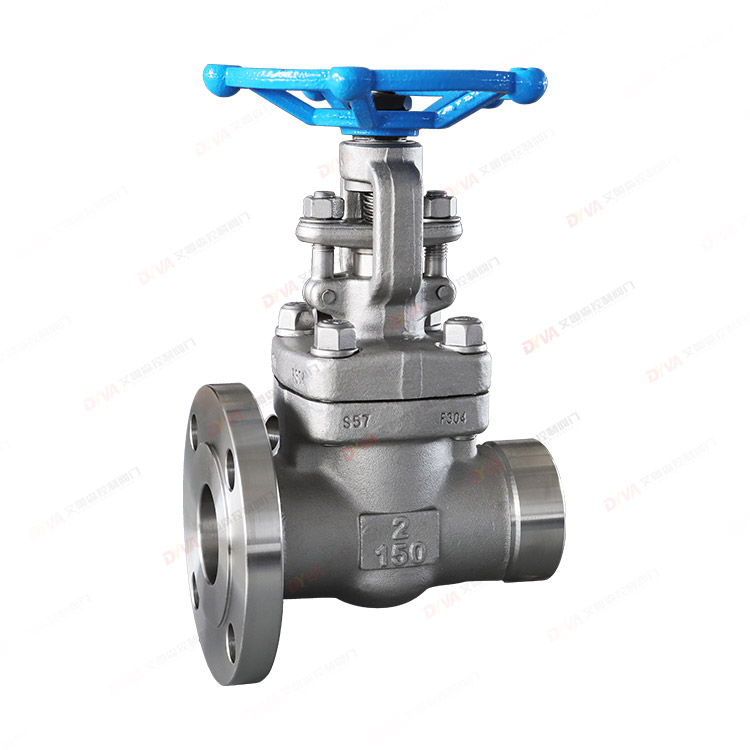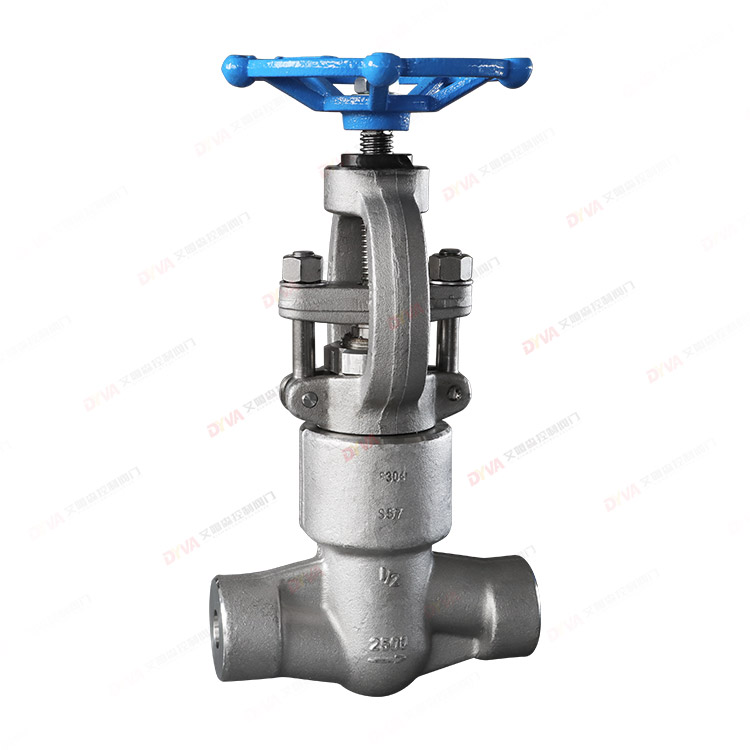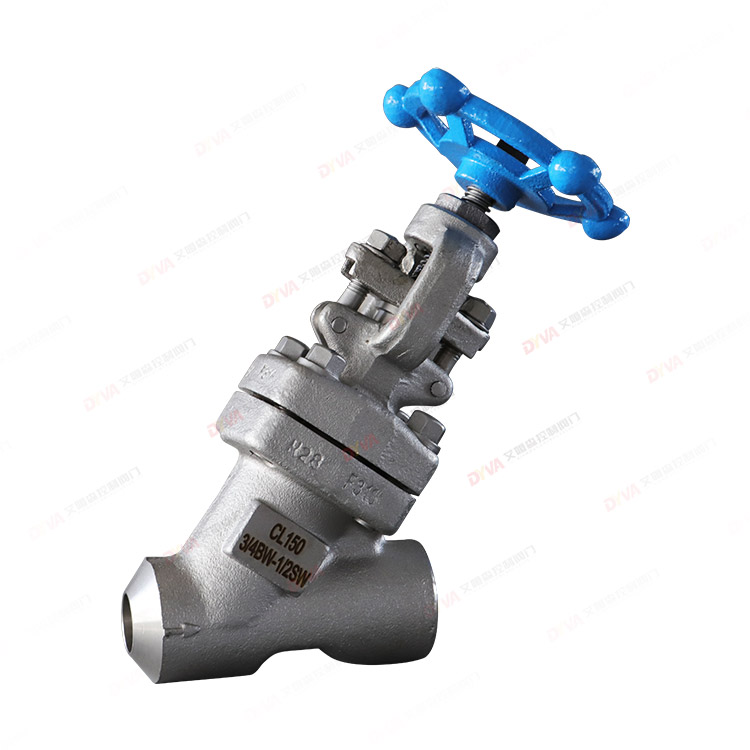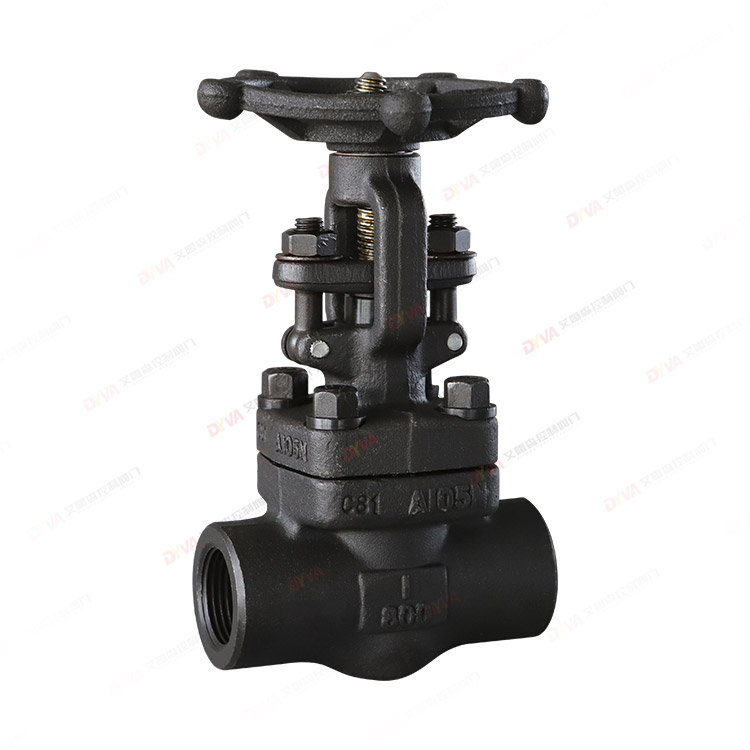
Forged steel threaded gate valve

Wrought steel threaded gate valve is a kind of gate valve manufactured by forging technology and connected to the pipeline by threaded connection. It is mainly used to cut off or connect the medium in the pipeline. 

 Nominal pressure: PN10-32Mpa, ANSI 150-4500LB, etc. 

 Nominal diameter: DN10-50 

 Applicable temperature: It varies depending on the material. For example, the applicable temperature of carbon steel material is generally -29℃-425℃, and stainless steel material can be applied to the range of -29℃-500℃. 

 Applicable media: suitable for water, steam, oil, nitric acid, acetic acid, oxidizing medium and other media. 

 Operating principle 

 Its core opening and closing part is the plug-shaped valve flap, and the sealing surface is flat or conical. The valve flap moves in a straight line along the center line of the fluid, and the opening and closing of the valve is realized through the lifting or rotation of the valve stem, so as to control the opening and closing of the medium.


Products and services that meet fluid control requirements

Each process, each facility, and each environmental constraint has its own special requirements. Therefore, Dongyan offers a comprehensive range of products covering different performance levels, pressures, different functions and different materials.


Detail

Structural characteristics 

 ● Valve body material: forged steel, such as A105 carbon steel, 304/316 stainless steel, etc., with high strength, excellent impact resistance and pressure resistance, suitable for high-pressure medium transportation. 

 ● Connection method: It is usually connected with internal thread, which is convenient to install and suitable for small and medium-caliber pipes, and the general nominal diameter is ≤DN50. 

 ● Valve stem design: The movement form of the valve stem is divided into lifting rod type and lifting rotary rod type. According to the thread position of the valve stem, it can be divided into external thread and internal thread. 

 ● Sealing form: It is a forced sealing valve. When closing, pressure should be applied to the valve flap to ensure that the sealing surface does not leak. Some models adopt a self-sealing structure, and the medium enters the valve cavity from above the valve flap, which can enhance the sealing under the action of medium pressure and reduce the closing operation force. There are also different sealing forms such as packing sealing and bellows sealing. Bellows sealing can reduce medium leakage and is suitable for toxic and corrosive media.


Product Application Scope

These devices are suitable for accurately controlling media such as gases, liquids, steam, etc., and maintaining process parameters such as pressure, flow rate, temperature, and liquid level at given values. Especially suitable for work environments where the allowable pressure difference is small and the allowable leakage is also small, and the pressure difference is not significant.

Related Products
Home
Products
Contact