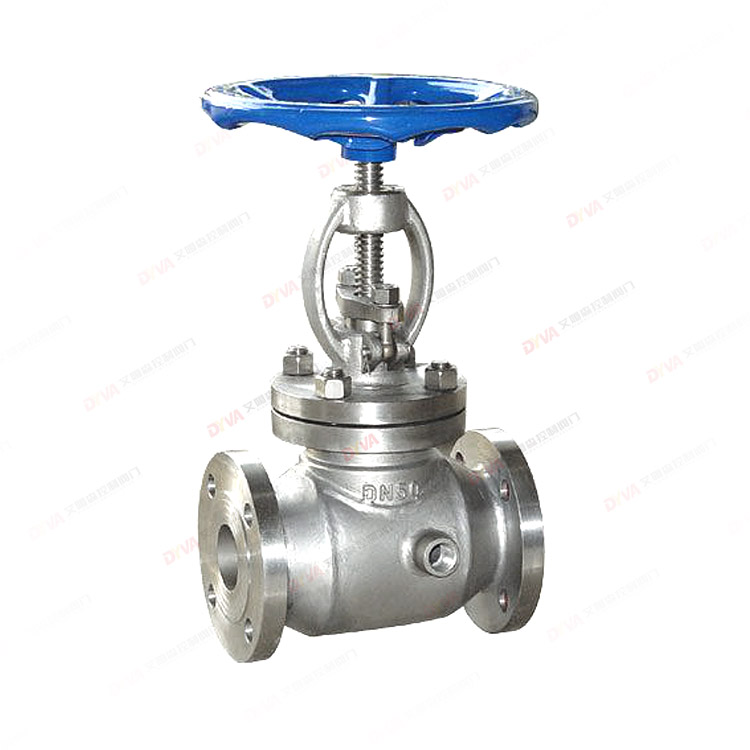
Insulated stop valve

Overview

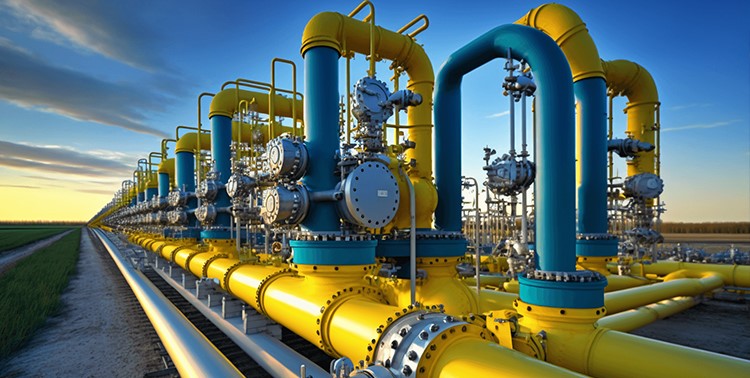
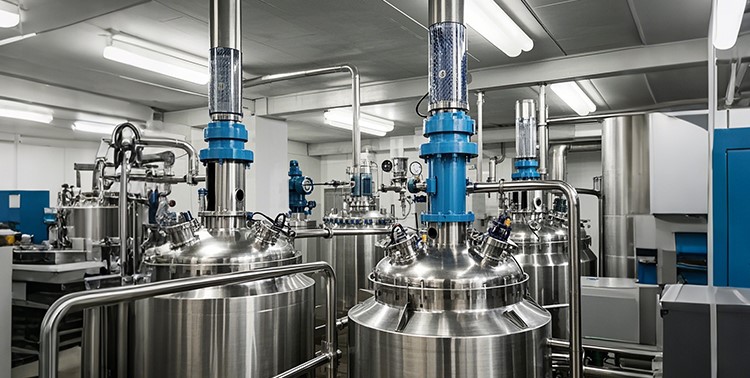
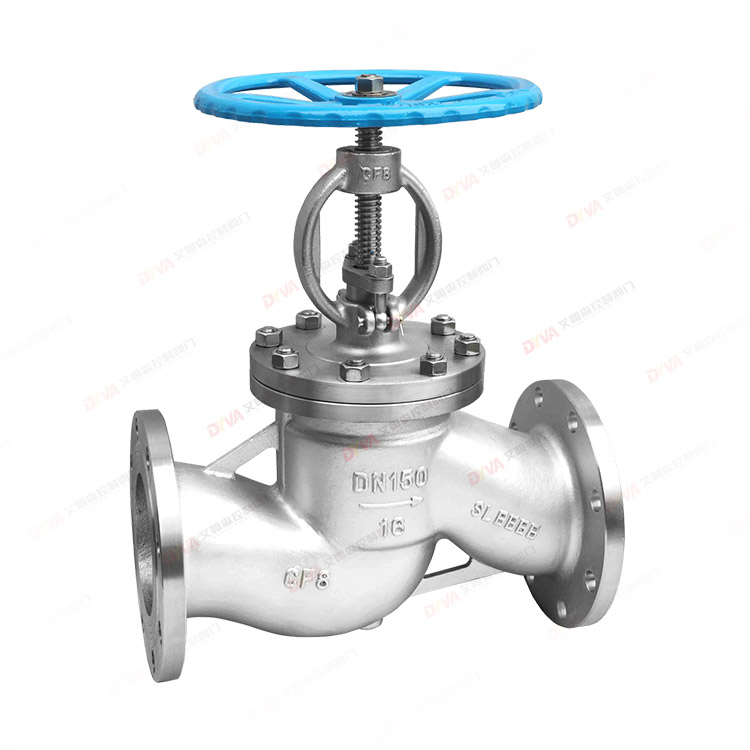
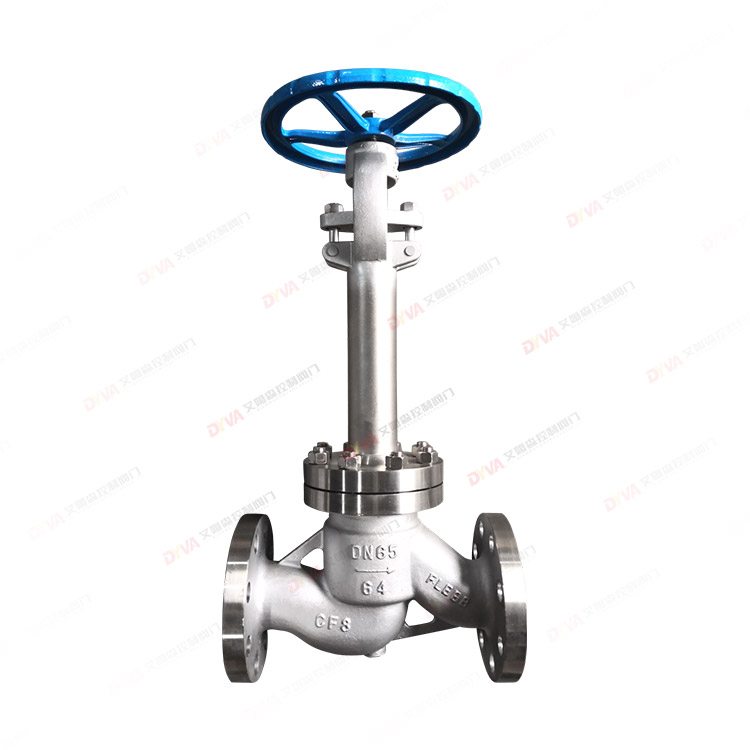
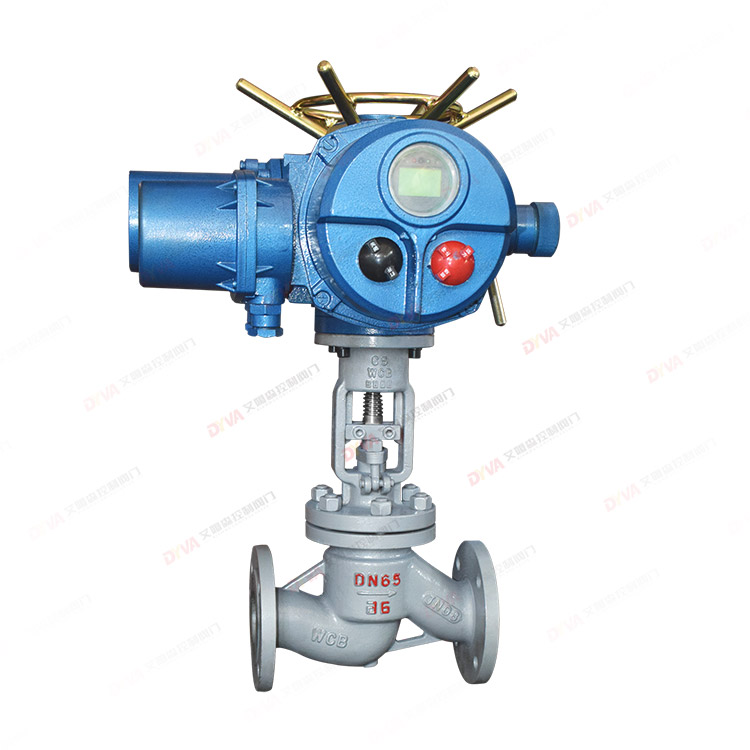
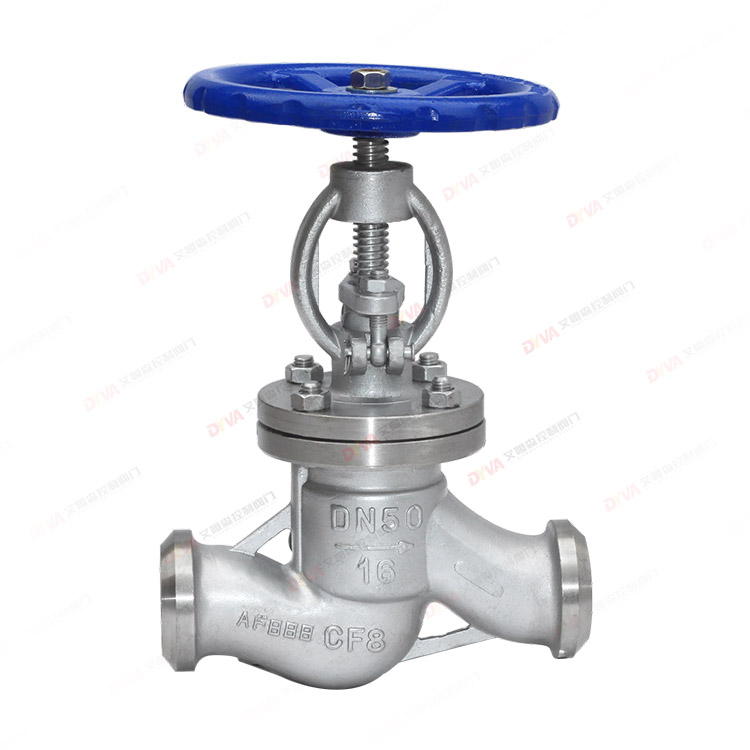
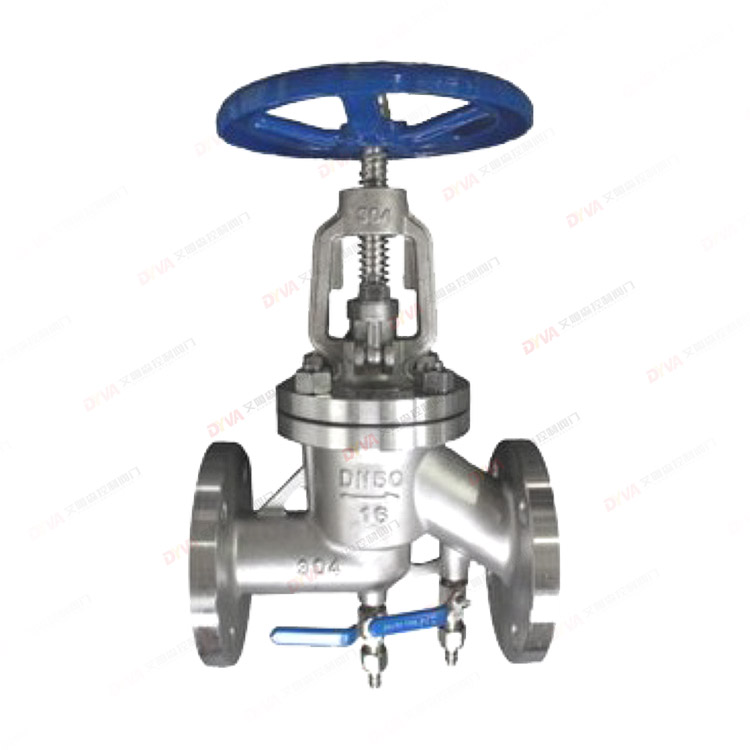
The insulated stop valve is a special type of shut-off/regulating valve that integrates an insulated structure on the basis of a common stop valve. Its core function is to control the on-off of the pipeline medium or regulate the flow rate while maintaining the temperature of the medium inside the valve body through active heating (jacket) or passive insulation (insulation layer), preventing high-temperature medium from solidifying and increasing viscosity due to heat loss. Or the low-temperature medium vaporizes due to the intrusion of external heat, ensuring the stable transportation of the process medium. It is widely used in medium and low-pressure pipeline systems that require precise temperature control in industries such as petroleum, chemical engineering, food, pharmaceuticals, and HVAC, especially suitable for media that are easily affected by temperature, such as steam, hot oil, syrup, and asphalt.

Nominal diameter: DN15-DN200mm

Pressure rating: 2.5-4.0MPa

Applicable temperature: -196℃ to +600℃

Main materials: 304, 316, 316L, WCB and customized special materials

Manufacturing standards: GB12234-89, BS1873, etc


Products and services that meet fluid control requirements

Each process, each facility, and each environmental constraint has its own special requirements. Therefore, Dongyan offers a comprehensive range of products covering different performance levels, pressures, different functions and different materials.

Detail

Precautions for use and maintenance 

 1. Maintenance of thermal insulation system: 

 Clip sleeve type: Regularly check whether the sealing gasket (such as metal winding gasket) of the heat media interface is leaking, and clean up the internal dirt of the jacket every quarter (to prevent the reduction of heat exchange efficiency); the heat medium pressure needs to be stable to avoid the deformation of the jacket caused by sudden rise and sudden decline. 

 Insulation layer type: Regularly check whether the insulation layer is damaged, damp (such as increased thermal conductivity after polyurethane water absorption), whether the protective shell is rusted, replace the insulation material and repair the protective shell in time to ensure the insulation effect. 

 2. Opening, closing and adjustment operation: 

 Before opening and closing under high-temperature conditions, it is necessary to preheat the valve body (sleeve into the heat medium for 15-30 minutes) to avoid stress cracking caused by sudden changes in temperature; when adjusting the flow rate, it is necessary to slowly operate the handwheel or control the electric device to avoid the pipeline impact (water hammer) caused by sudden change in flow. 

 It is strictly forbidden to use the valve as a "throttle valve" for a long time in a small opening state (such as opening < 10%), otherwise the sealing surface of the disc is easy to be washed and worn by the high-speed medium, resulting in the sealing failure. 

 3. Sealing maintenance: 

 When the valve stem filler leaks, the filler cover can be properly tightened; if the tightening is invalid, the filler needs to be stopped to be replaced (the same type of flexible graphite filler is selected, and the old filler residue in the filler letter should be cleaned up when replacing). 

 When the valve disc and the sealing surface of the seat leak, it is necessary to check whether there are any impurities, scratches or wear. Minor wear can be repaired by grinding (hand grinding with grinding paste). If it is serious, the disc or seat needs to be replaced. 

 4. Deactivate protection: 

 When it is stopped for a long time, it is necessary to empty the internal medium of the valve body (to prevent low-temperature solidify and cracking of the valve body), the jacket type needs to empty the heat medium and blow it into compressed air to dry, and the insulation layer type needs to do a good job of moisture protection (such as applying sealant at the interface of the protective shell) to avoid moisture absorption and spoilage of the insulation material.


Product Application Scope

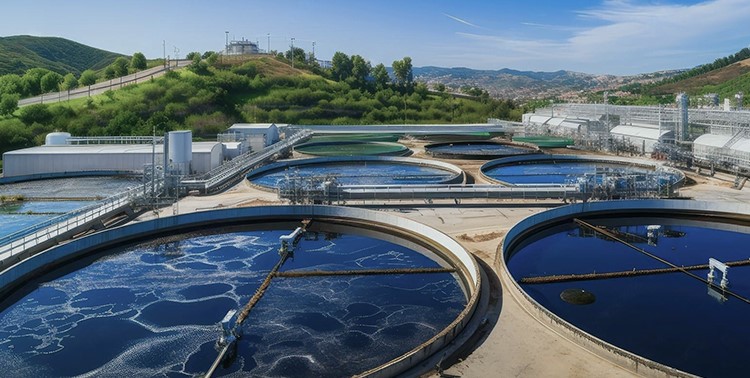
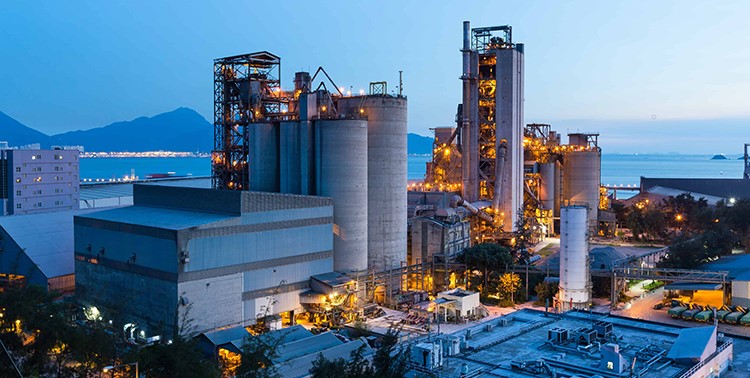
These devices are suitable for accurately controlling media such as gases, liquids, steam, etc., and maintaining process parameters such as pressure, flow rate, temperature, and liquid level at given values. Especially suitable for work environments where the allowable pressure difference is small and the allowable leakage is also small, and the pressure difference is not significant.

Related Products
Home
Products
Contact