 Contact
 Download
Bent through
Overview:
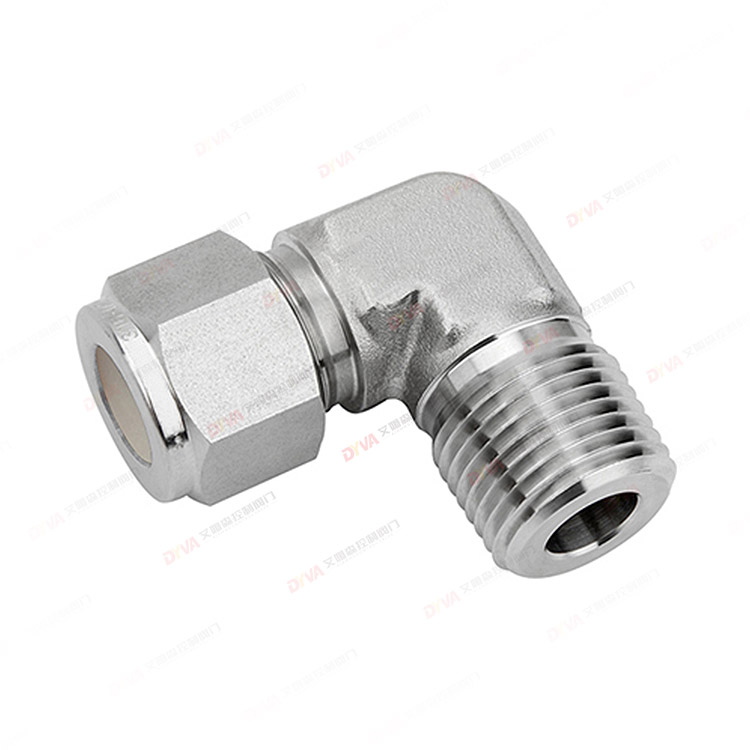
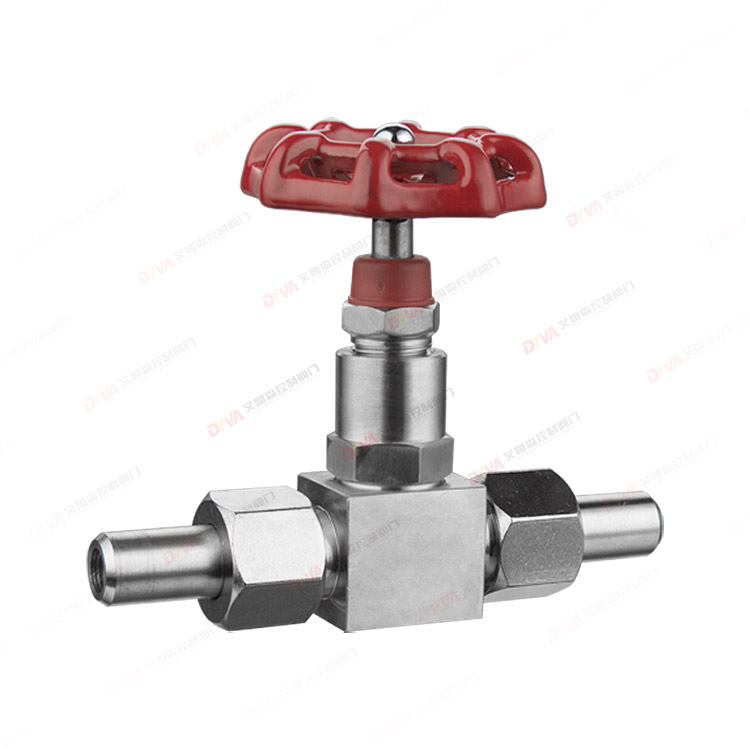
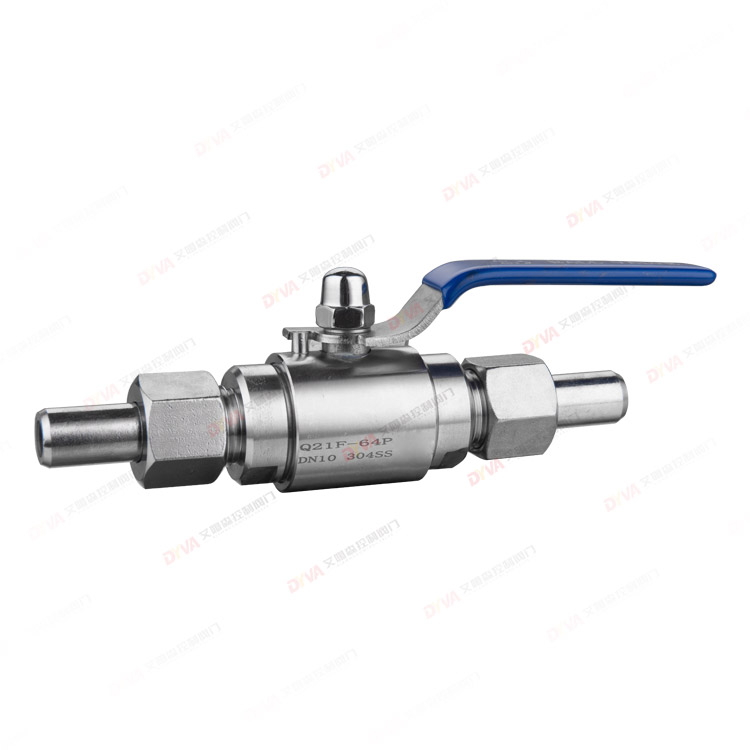
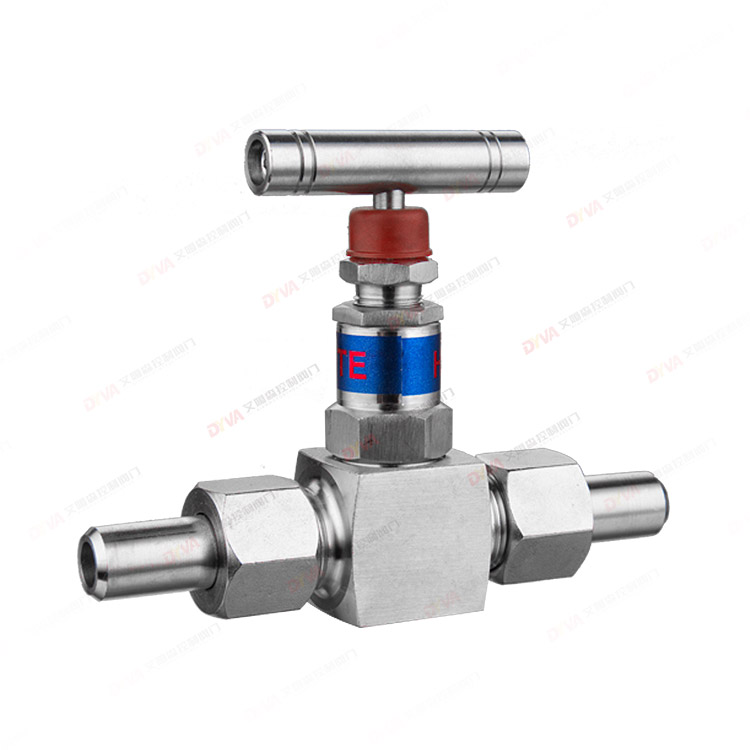
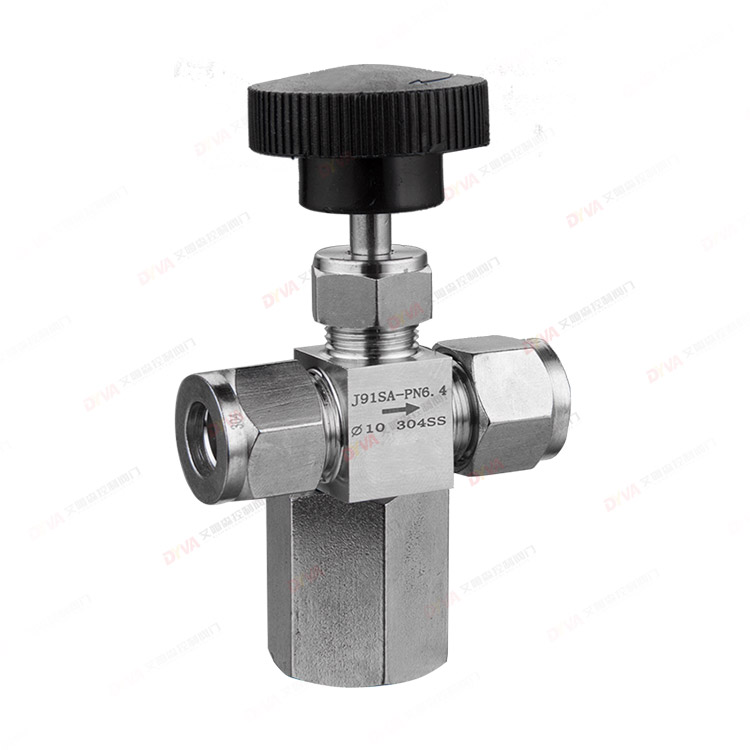
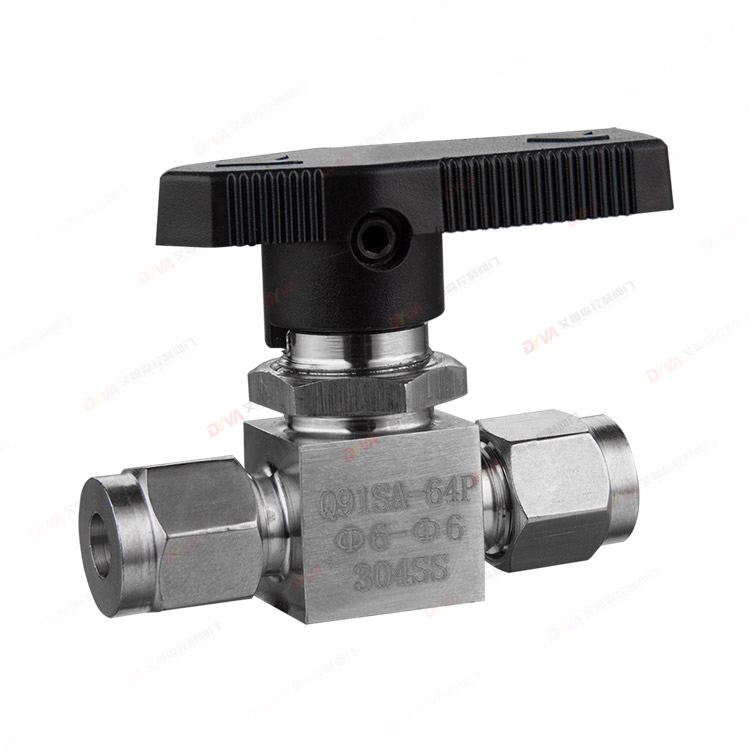
The sleeve connector is an industrial pipeline connection device, which is composed of three parts: the joint body, the sleeve and the nut. By tightening the nut, the blade of the sleeve is cut into the steel pipe to form a seal. It is mainly made of stainless steel, which has the characteristics of corrosion resistance, high pressure resistance and temperature resistance. It can withstand a nominal pressure of up to 40MPa, and the applicable temperature range is up to 450℃. The product adopts a card sleeve connection method, which is easy to install and has an elastic anti-loosening design. It is widely used in fluid conveying systems in chemical industry, petroleum, pharmaceutical and other fields.
Nominal pressure: 25/40MPa
Applicable temperature: ≤450℃
Applicable media: oil, water, gas, etc.
Piping range: Φ4~Φ42 seamless steel pipe
Thread standard: ZG/G/NPT, etc.
Product features
● Made of stainless steel, with excellent corrosion resistance
● Strong high-pressure resistance, and the nominal pressure can reach up to 40MPa
● It is easy to install and supports repeated disassembly, and the sealing performance is stable.
● The flexible card sleeve design can reduce the risk of leakage caused by vibration.
Products and services that meet fluid control requirements
Each process, each facility, and each environmental constraint has its own special requirements. Therefore, AIAMMS offers a comprehensive range of products covering different performance levels, pressures, different functions and different materials.









 Download