 Contact
 Download
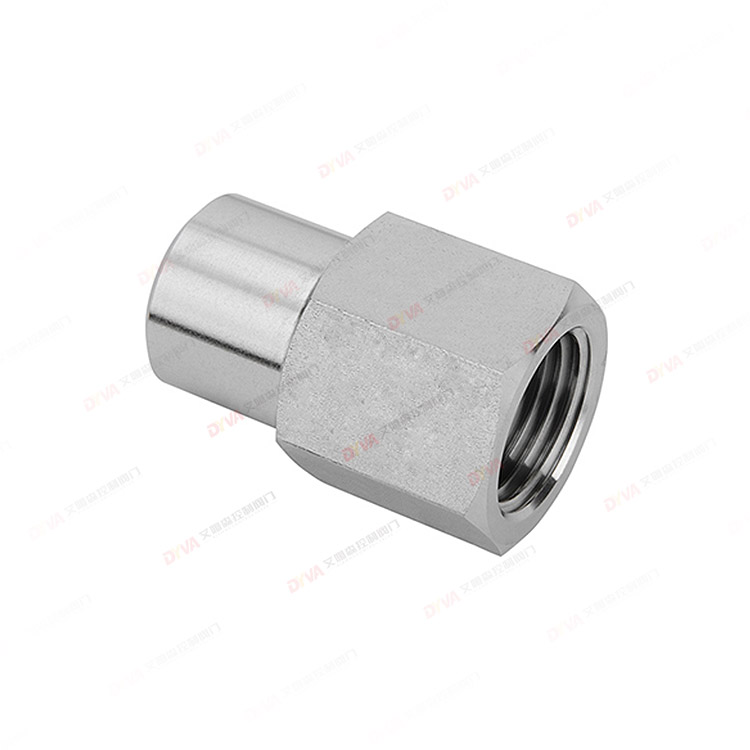
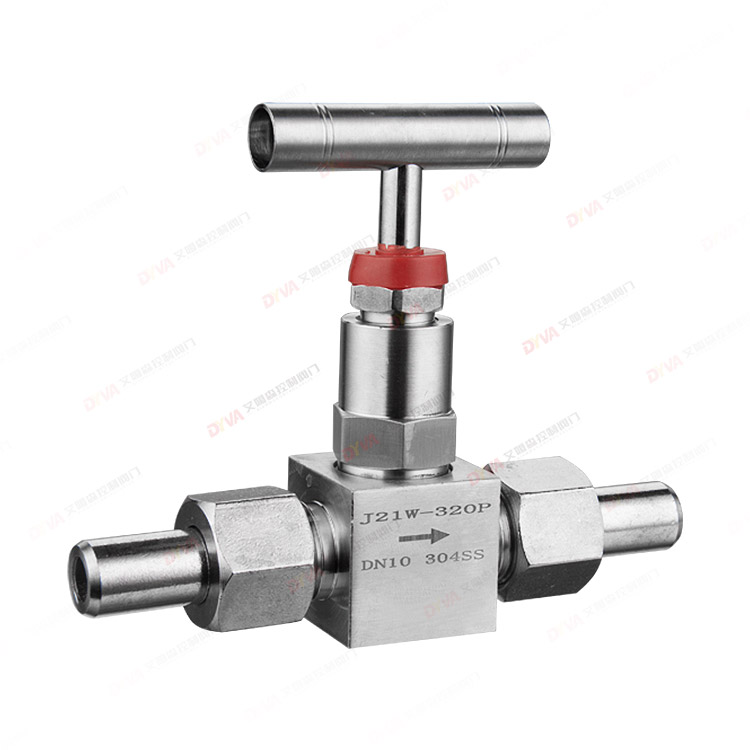
Welding to internal thread
Overview:
Welded joints refer to the contacts where two or more parts need to be welded. Or refers to the joints connected by welding of two or more parts, including welds, fusion areas and heat-affected areas. The welding joint of fusion welding is formed by local heating from a high-temperature heat source. The welded joint is composed of weld metal, fusion zone, thermal influence zone and parent metal.
Components
1. Weld area: after the joint metal and filling metal are melted, it is formed after cooling and solidification at a relatively fast speed. The weld structure is a cast structure crystallized from liquid metal. The grain is coarse, the composition is partial, and the tissue is not dense. However, through reasonable control of chemical composition and welding process, its performance can meet the requirements.
2. Fusion zone: It is the transitional part between the melting zone and the non-melting zone. The chemical composition is uneven, the tissue is thick, and it is often a thick overheated tissue or a coarse hardened tissue. Its performance is often the worst in welded joints.
3. Heat-affected area: the area where the structure and performance changes are caused by high-temperature heating in the weld area. The thermal influence zone of low-carbon steel can be divided into the overheating zone, the positive fire zone and the partial phase change zone. Among them, the plasticity and toughness of the overheated zone are significantly reduced, and it is the part with the worst mechanical properties in the heat-affected zone.
Products and services that meet fluid control requirements
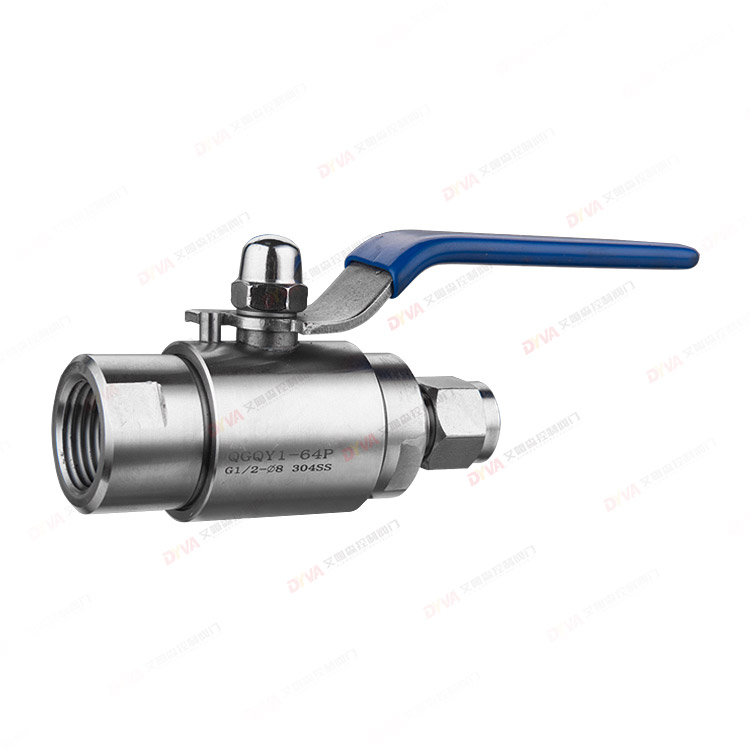
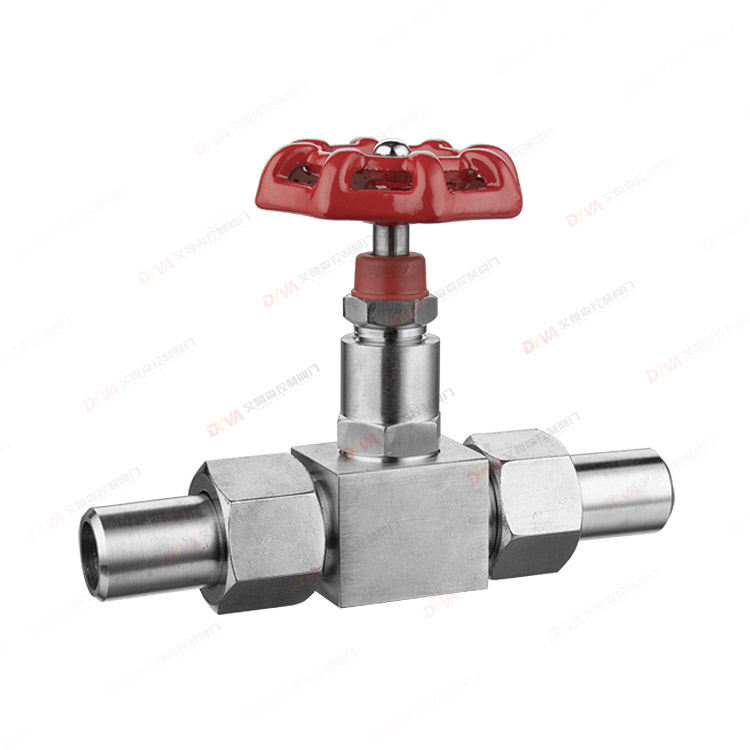
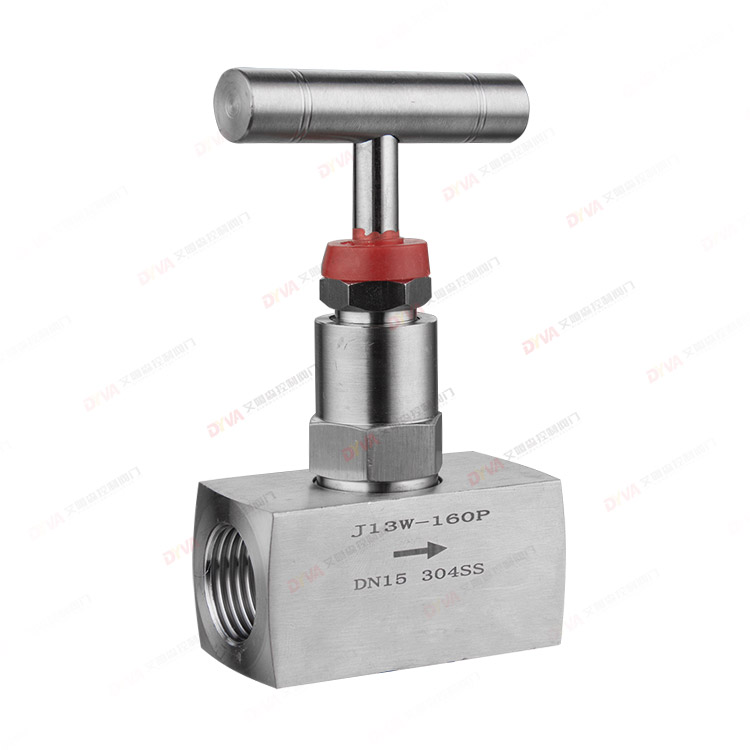
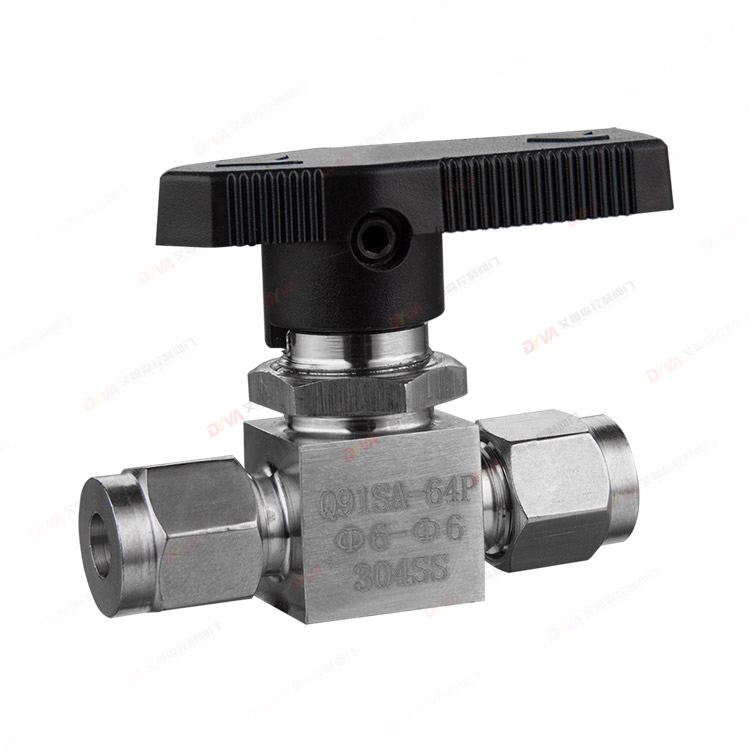
Each process, each facility, and each environmental constraint has its own special requirements. Therefore, AIAMMS offers a comprehensive range of products covering different performance levels, pressures, different functions and different materials.




 Download